Call Spread Strategy: Bull vs Bear Calls on VWAP Breaks
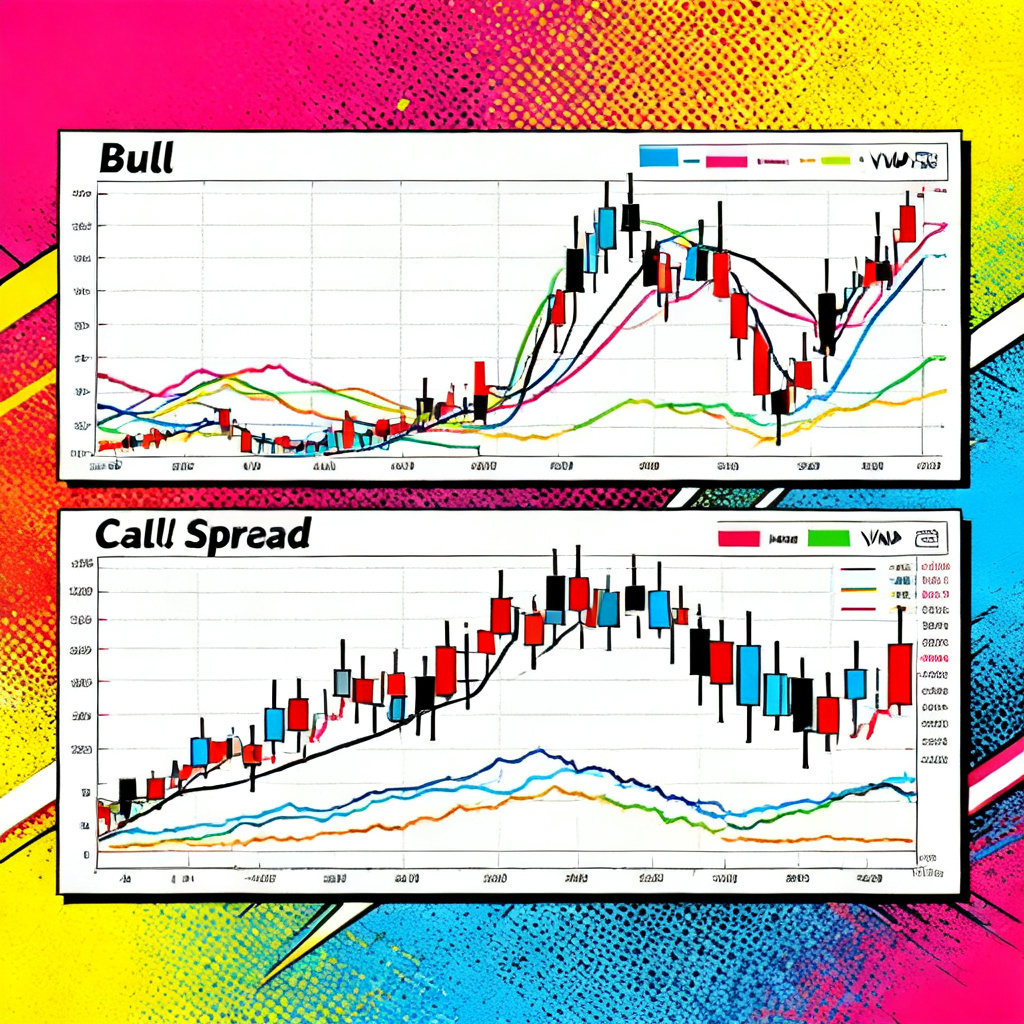
The pre-market can create an edge for options traders, but it can also create chaos. Pre-market VWAP breaks are a simple anchor: when price pushes above or below the volume-weighted average price with unusual momentum, traders can decide whether to take a bullish or bearish position. For a Call Spread Strategy, that decision usually becomes a choice between a bull call spread and a bear call spread. The best trade is not simply “up” or “down,” but whichever spread fits your expected move, risk tolerance, and the way you manage the position after the open.
Why Pre-Market VWAP Breaks Matter
VWAP helps filter gaps. In the pre-market, volume is light, so a small order can move price. A move above VWAP only matters if it is backed by increasing volume and holds at the opening auction. A breakout without follow-through is often a trap. Use VWAP as a reference, not a standalone signal. Watch for three things: price holding above or below VWAP after the open, rising intraday volume, and whether the stock remains inside the pre-market range. If price breaks above VWAP, retests it, and rebounds, a call spread has a cleaner edge. If price breaks below and fails to reclaim VWAP, a call-side bearish spread may be better.
Bull Call vs Bear Call: The Basic Mechanics
Bull Call Spread
A bull call spread is a debit call spread. You buy a lower strike call and sell a higher strike call, usually with the same expiration. You pay a net premium, and your maximum loss is that debit. Your maximum profit is the strike width minus the debit. This is useful when you expect an upside move but want to reduce cost compared with owning calls. Because you are long a call and short a call, the structure caps profit but also caps risk.
Bear Call Spread
A bear call spread is a credit call spread. You sell a lower strike call and buy a higher strike call for protection. You collect a net credit, and the credit is your maximum profit. Your maximum loss is the strike width minus the credit. This strategy is often used in options education on credit spread sites because it is the call-side mirror of a bull put spread. It profits from a stock moving down, staying flat, or simply failing to rally above the short call. Time decay helps the position, while assignment risk matters on the short call.
Picking Bull Call vs Bear Call at VWAP Breaks
The goal is to choose the spread whose payoff matches the likely behavior around VWAP. If the pre-market break is bullish but the stock is near resistance, a bull call spread can express the expected move without unlimited cost. If the break looks bearish but IV is elevated from the gap, a bear call spread can monetize the risk while keeping a defined maximum loss. Here is a simple decision rule.
Bullish VWAP Break: Prefer Bull Call Spreads When...
You see price reclaim VWAP with strong volume, the gap is still open or holding, and the stock is forming a higher low. Choose a long call strike below the expected first target and a short call strike at or just beyond resistance. Keep the debit small, often with one or two strikes OTM on the long side, and aim for at least two-to-one profit potential.
Bearish VWAP Break: Prefer Bear Call Spreads When...
You see price lose VWAP and fail to reclaim it, especially if the stock opened at a pre-market high and is falling. Sell a call strike above VWAP or above the first reclaim level, and buy a farther OTM call for protection. If the gap is caused by weak news, a bear call spread can collect premium while the stock struggles. If IV drops after the open, credit call spreads can benefit from both direction and vol contraction.
Structuring the Spread
Use expiration near your expected move. For VWAP break trades, 7 to 21 days to expiration is common because it gives you enough premium while still allowing adjustment before expiry. Select strikes with deltas around 0.50 to 0.70 for the long call in a bull call spread, and 0.20 to 0.35 for the short call in a bear call spread. Those deltas are not magic, but they help you avoid chasing deep OTM calls that rarely move or near-ATM spreads with too much cost.
Example 1: Bull Call Spread After a VWAP Break
Imagine SPY gaps up slightly, trades below pre-market VWAP for minutes, then breaks above it with volume. You buy the 510 call and sell the 515 call for a 1.00 debit. Max risk is 100, max profit is 400 if SPY is above 515 at expiry. If SPY rallies only to 512, you still need to manage because the spread has not reached full profit. In this scenario, the long call gives you upside exposure, and the short call keeps the trade affordable.
Example 2: Bear Call Spread After a Failed VWAP Break
Now imagine a small-cap stock opens higher in the pre-market but quickly loses VWAP after a weak earnings print. You sell the 25 call and buy the 30 call for a 0.65 credit. Max profit is 65, max risk is 435 if the stock rises above 30 at expiry. If the stock fails to reclaim VWAP, you can close early at 50% profit, roll the short strike, or let it expire worthless. This is similar to using a bull put spread on Credit Put Spread Garage, except you are expressing weakness with calls instead of strength with puts.
Risk Management
Do not enter a call spread just because the first minute looks exciting. Wait for confirmation: the VWAP break should hold for at least several minutes, and the trade should not require you to buy at a local top or short at a local bottom. Keep position size small, because pre-market moves can reverse quickly. If price crosses back through VWAP against your spread, consider closing or adjusting early. For bull call spreads, a stop can be a percentage loss of the debit or a price level. For bear call spreads, a stop can be a multiple of the credit received or the short strike being tested.
Why Call Spreads Fit Options Education
Call spreads teach traders to think in probabilities, not just direction. A bull call spread is not profitable because the stock goes up; it is profitable because the stock goes far enough above the long call and below or at the short call before expiry. A bear call spread is not profitable because you simply want downside; it works because the short call expires worthless, often helped by time decay. For traders who use credit put spreads, call spreads are a natural companion: they expand your toolbox when you are bearish, when put-side liquidity is poor, or when you want to monetize a failed breakout without paying for a put debit spread.