Consumer Sentiment Craters as Inflation Fears Deepen
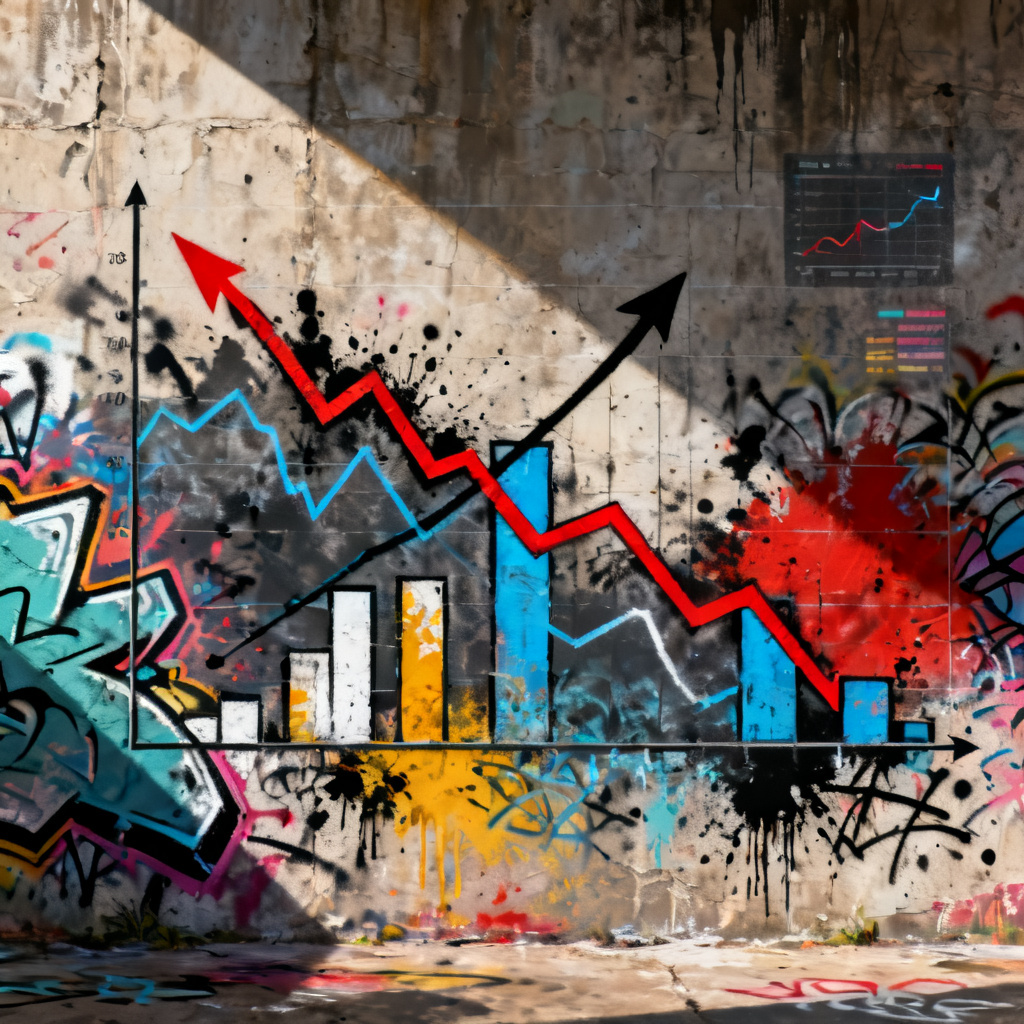
The Confidence Crash
Forget the whisper numbers and the optimistic consensus forecasts. The American consumer just delivered a blunt-force verdict on the economy, and it's not pretty. The latest Conference Board data shows consumer sentiment has plunged to its lowest level in nearly a decade. The headline Consumer Confidence Index tumbled to 81.9, a dramatic miss from expectations of 89 and a clear signal that the inflation-weary public is hitting a wall.
This isn't just a minor dip. It's a rout. And for traders and investors conditioned to parse every data point, this report is flashing more red lights than a Christmas tree. The key takeaway? The powerful US consumer engine, which has defied gravity for so long, is showing serious signs of sputtering under the weight of persistent inflation and a labor market that's finally, perceptibly, cooling.
Inside the Consumer Psyche: Fear and Loathing at the Gas Pump
The details are what make this report so alarming. For the first time in the survey's history on this question, more consumers said their personal finances were bad than good. Let that sink in. Even after years of pandemic disruptions and price spikes, that milestone hadn't been reached until now. Conference Board chief economist Dana Peterson nailed it: "Consumer appraisals of current business conditions became negative for the first time."
The write-in responses were a chorus of pessimism, dominated by one theme: prices. References to "the high cost of goods and services, and oil and gas prices in particular, rose to new heights." This is the visceral, real-world impact of that September surge at the pump and the grocery checkout line. It's translating directly into economic gloom.
The Labor Market Cracks Widen
Here's where it gets really interesting for market watchers. The "jobs plentiful" vs. "jobs hard to get" differential—a favorite leading indicator for economists—eroded sharply, dropping 2.5 percentage points to a thin 1.7%. This isn't just a statistical blip; it's the most tangible sign yet that the historically tight labor market is loosening its grip.
That narrative got corroborated within the same data drop. The JOLTS report showed job openings fell to 7.08 million in August, missing estimates of 7.2 million. The decline was led by sharp drops in professional services and healthcare—two former bastions of hiring strength. The message? The hiring frenzy is over. Employers are pulling back, and workers are sensing it. This shift is critical because a robust labor market has been the bedrock of consumer resilience. If that foundation cracks, what's left to support spending?
Inflation Expectations: The Self-Fulfilling Prophecy?
Perhaps the most dangerous part of the report is buried in the inflation expectations. Consumers now see inflation running at 6.1% on average over the next year, up from 5.8% in August. The median expectation also rose to 5.1%. Why does this matter so much? Because inflation expectations can become a self-fulfilling prophecy. If everyone expects 6% inflation, they'll demand higher wages and spend now to avoid higher prices later, which… fuels more inflation.
This creates a major headache for the Federal Reserve. Their battle to anchor expectations is far from won. With geopolitical uncertainty (yes, the Iran conflict is mentioned explicitly) pushing energy prices and Treasury yields higher, the consumer's inflation psyche is becoming unmoored. This data suggests the Fed's "higher for longer" interest rate mantra isn't just a policy stance—it's a consumer reality.
Market Implications: Reading the Tea Leaves
So what does this mean for your portfolio? Let's connect the dots.
First, consumer discretionary stocks just got a major warning signal. If sentiment is this bleak in September, how will it look heading into the holiday shopping season? Companies reliant on big-ticket items or non-essential spending face a serious headwind.
Second, the bond market reaction will be key. Weak consumer data might typically signal a dovish turn for the Fed, but paired with rising inflation expectations, it creates a policy paradox. This "stagflation-lite" cocktail is what keeps bond vigilantes up at night and could maintain pressure on long-term Treasury yields.
Finally, watch the USD. A deteriorating domestic demand picture could eventually weigh on the dollar's strength, but if global uncertainty keeps it bid as a safe haven, the crosscurrents will be fierce. For traders, the takeaway is clear: volatility isn't going away. The market is grappling with a fundamental shift from a "hot economy" narrative to a "hard landing" scare, and today's data pours gasoline on that fire.
The University of Michigan's sentiment survey echoed the dismal theme, falling to near-record lows. This is a consensus of gloom. The question for investors now shifts from "Is the consumer slowing?" to "How deep will the pullback be?" The confidence crash is no longer a forecast; it's a fact. Positioning for it is the only move left.