Oil Rises as Strait Fears Outweigh OPEC Shake-Up
Crude’s Relentless March Higher
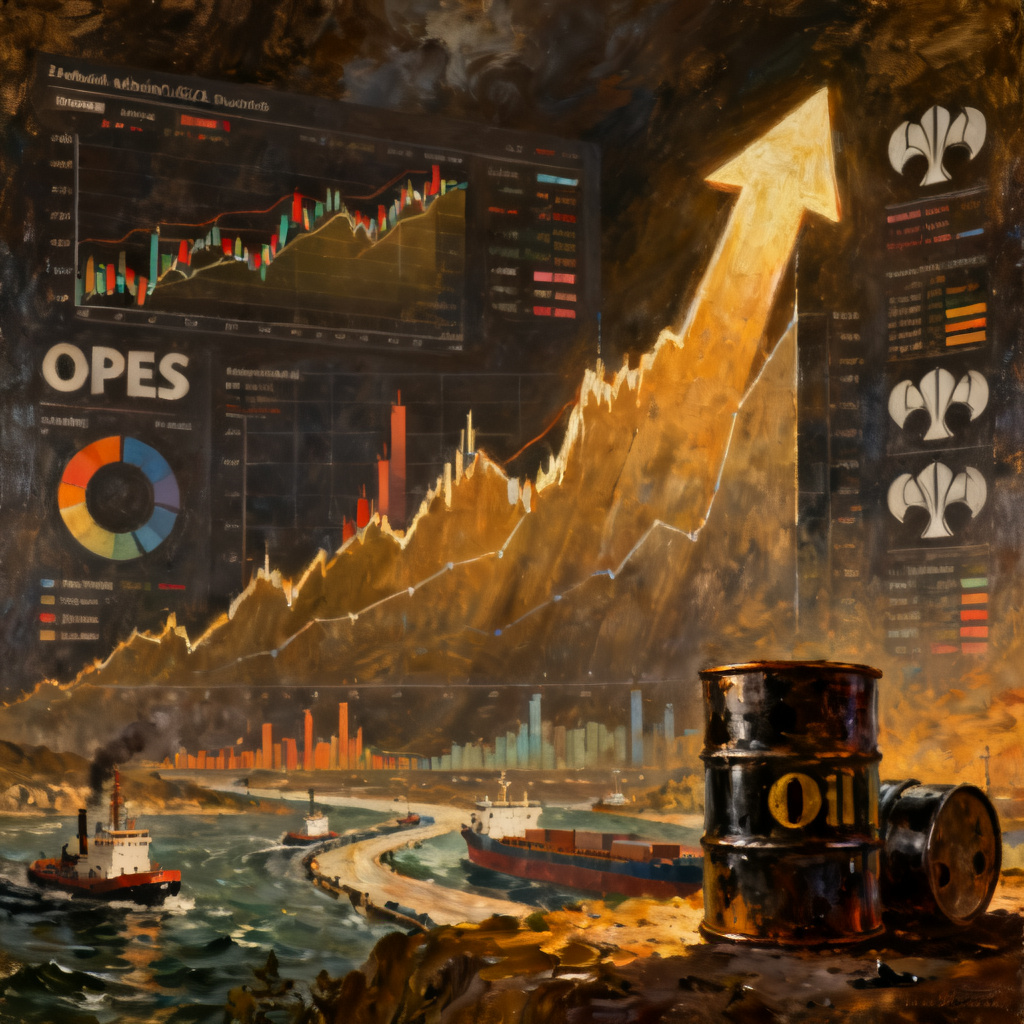
The oil market is sending a crystal-clear message: geopolitics trump everything. Prices roared ahead again Wednesday, with traders brushing off a potential shock to the OPEC cartel to focus on the hard reality of a tightening physical market. International benchmark Brent crude (June delivery) jumped 2.8% to $114.37 a barrel, while U.S. benchmark West Texas Intermediate (WTI) surged 3.3% to $103.18. WTI is now up a staggering 49% since the war in the Middle East began on February 28. The rally shows no signs of fatigue.
The Real Story: Strait of Hormuz in the Crosshairs
Forget the headlines about cartel drama. The real engine behind this move is the escalating risk to the world's most critical oil chokepoint: the Strait of Hormuz. Reports that the U.S. is planning to extend its blockade to Iranian ports have traders on edge. The implication? A prolonged disruption of the strait, through which about a fifth of the world's oil flows.
This isn't just posturing. It's a direct threat to global supply lines. When the president of the United states publicly threatens Iran and talks about crippling its economy via its oil exports, the market has to price in a real chance of barrels getting stuck in the water. The question for every portfolio manager right now is simple: What's your contingency for a total Hormuz shutdown?
UAE’s OPEC Exit: A Sideshow for Now
Against this tense backdrop, the United Arab Emirates' decision to quit OPEC landed with more of a political thud than a market tremor. Make no mistake, it's a seismic event for the cartel's long-term cohesion and influence. It erodes OPEC's market-shaping power, something certain consuming nations have wanted for years. Analysts called it a "big blow" to the group.
But here’s the trader’s perspective: does it add or remove a single barrel of oil from the market today? No. The UAE said it remains committed to price stability. Its production plans are unlikely to change imminently. In a calm market, this news would have sparked a sell-off on fears of a production free-for-all. In today’s market, with the specter of Hormuz disruption looming, it's a footnote. The calculus is brutally simple: you can't trade a political rift when there's a tangible risk to physical supply.
What’s Next for Traders to Watch
The path for crude from here is all about the Gulf. Traders are balancing two forces:
1. The Escalation Risk: Every new threat, every moved warship, and every stalled negotiation adds a "fear premium" to the price. The market is pricing in a longer, messier conflict. Until there's credible progress toward a deal that guarantees open waterways, this premium isn't going away.
2. The Physical Squeeze: Each day the strait is considered at risk is a day that inventory buffers get thinner. We’re already in a tight market. Any further drawdown on stocks will make prices even more sensitive to bullish news.
The technical picture is screaming bullish, with both benchmarks in powerful, established uptrends. The momentum is undeniable. For investors, the takeaway is that energy security is back on the table with a vengeance. For traders, the levels are clear: support now sits at recent swing highs, and the market's appetite seems to be for buying any dip—as long as the headlines from the Persian Gulf stay hot.