SpaceX IPO: Small Retail Slice Signals Huge Appetite
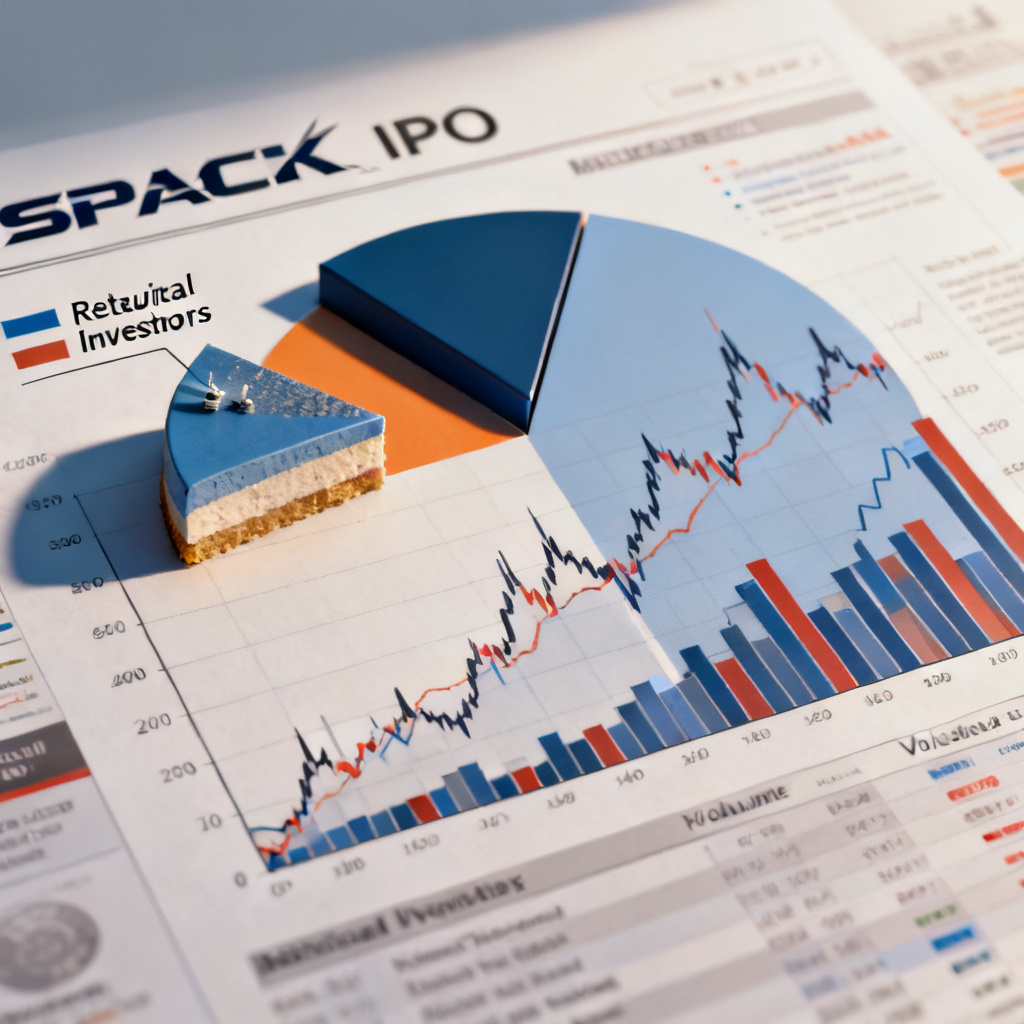
SpaceX IPO: The Retail Door is Only Slightly Ajar
The champagne is on ice for Wall Street's big guns. For the average investor? You might want to temper your celebration.
Sources confirm that SPCX is carving out a far smaller slice of its galactic IPO pie for retail investors than initially expected. We're talking a percentage in the low 20s for the likes of you, me, and online brokerage accounts. That's down from earlier whispers of around 30%—a significant shift that speaks volumes before a single share trades.
The implication is crystal clear: institutional demand—from hedge funds, mutual funds, sovereign wealth funds—is ferocious. They're elbowing each other out of the way for a piece of this $1.8 trillion behemoth. The retail tranche, while still massive in absolute dollar terms, is being squeezed by the pros who write the biggest checks.
What the Allocation Tells Traders
Think of an IPO allocation like a concert ticket sale. If the venue suddenly holds back most of the floor seats for VIPs and industry insiders, what does that tell you about the hype for the show? It's the same here.
This isn't a sign of weakness; it's a signal of overwhelming strength from the money that moves markets. When bookrunners cut the retail portion, it’s because they need to satisfy their largest, most important clients first. The message to the street: this deal is oversubscribed at the institutional level. Heavily.
Forget the narrative that "the little guy is getting shut out." That's part of it, but the real story is the sheer gravitational pull this offering has on professional capital. It suggests a belief that SPCX isn't just another listing—it's a must-own, epoch-defining asset.
The Friday Frenzy: What to Expect
Set your alarms for Friday. The dynamics of a tight retail allocation set the stage for potential volatility in the aftermarket.
Millions of investors, armed with limit orders on their brokerage apps, will be chasing a relatively small pool of publicly available shares at the open. This classic supply-demand imbalance often leads to a sharp initial pop. The question isn't really if it will gap up, but by how much.
This creates a tricky landscape. The "sticker price" at the IPO might be one thing, but the price you can actually buy at 9:31 AM ET could be something entirely different. For most retail traders, getting an allocation at the offer price will be like winning a small lottery. Everyone else is buying on the secondary market, where the price is set by that opening bell frenzy.
Long-Term vs. Day One
Here’s where perspective matters. Are you trying to catch the rocket's initial flare as a trade? Or are you looking to hold a piece of the next era of infrastructure for years?
If it's the former, prepare for a wild, liquidity-driven ride. If it's the latter, the opening day volatility may be just noise in a much longer journey. Remember, even with a smaller piece, the retail tranche will be one of the largest ever—so there will be shares trading hands. Your broker's server stability, however, is another matter entirely.
The Bigger Picture: A Market-Defining Moment
Let's zoom out. A $1.8 trillion valuation would instantly make SpaceX one of the most valuable companies on the planet. This isn't just an IPO; it's a fundamental re-rating of an entire sector—aerospace, defense, and the so-called "new space" economy.
What does a successful SpaceX debut do for the valuations of its suppliers, competitors, and aspirants? It provides a benchmark, and likely a massive tailwind. The entire constellation of space-related stocks could see renewed interest as analysts scramble to apply new multiples.
Furthermore, this allocation story reinforces a trend we've seen in other mega-listings: the street's hunger for transformative, "one-of-a-kind" assets. In a market sometimes criticized for a lack of innovation, SpaceX is the antidote. The fight for allocation shows that big money isn't just interested; it's desperate to participate.
So, as Friday approaches, watch the allocation not as a slight, but as the most telling indicator of all. The pros are all-in. The only question left is how high the public market will take it from there.