Strait of Hormuz: A False Dawn for Oil Markets?
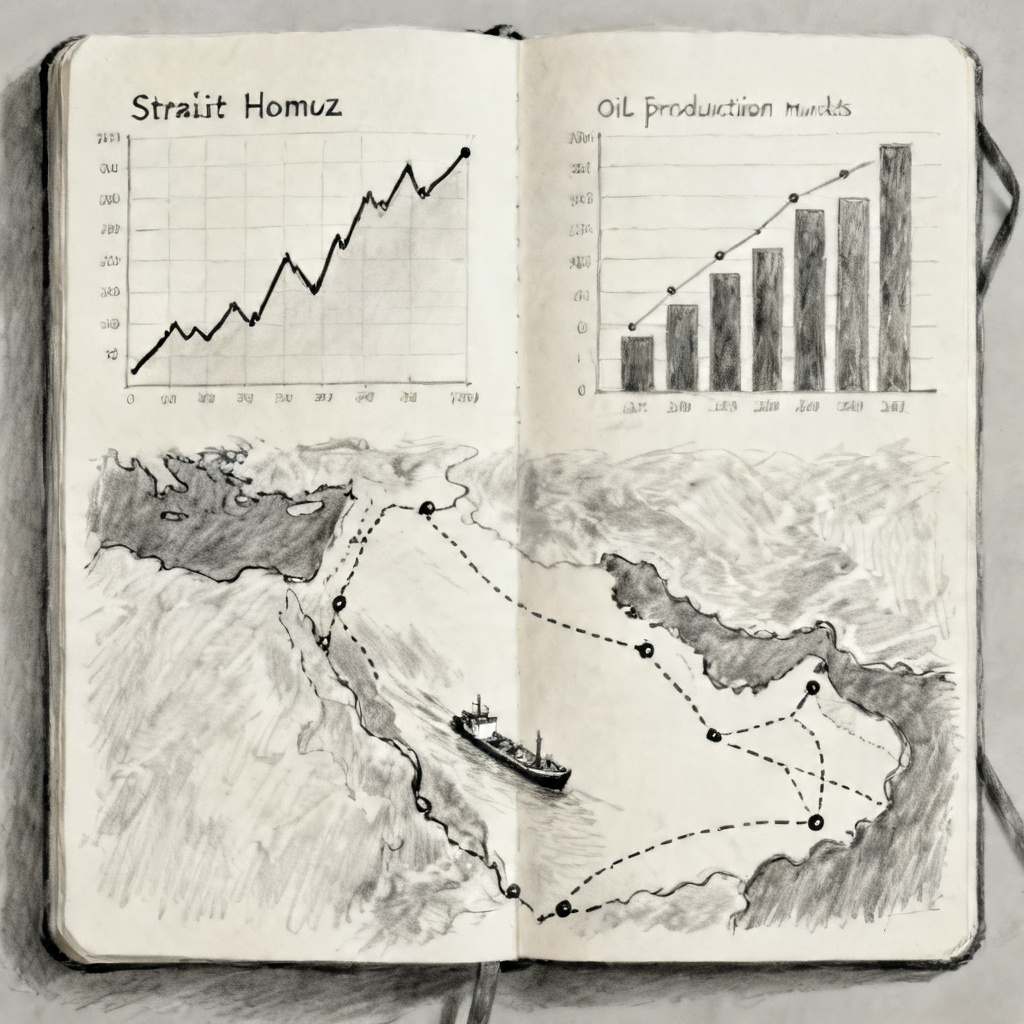
Iran's Strait of Hormuz: A False Dawn for Oil Markets?
Oil markets tumbled on Friday after Iran declared the Strait of Hormuz open for commercial ships. However, statements from Iranian officials, President Donald Trump, and the world's largest shipping association, BIMCO, indicate that the strait remains functionally closed.
Tehran's Announcement: A False Breakthrough
Iran's announcement on Friday was met with skepticism from market participants and shipping analysts. Although oil futures contracts initially dipped following the news, tankers and cargo ships hesitated to take advantage of the declared open sea lane.WTI and Brent crude settled down 12% and 9%, respectively.
"Completely Open" or Not? Conflicting Statements Emerge
Iran's Foreign Minister Seyed Abbas Araghchi announced that the Strait of Hormuz was "completely open" for the remainder of the ceasefire with the U.S. and Israel. However, Iranian media aligned with the Revolutionary Guard issued conditions for safe passage that are reminiscent of Tehran's previous restrictions.Oil shippers remain uncertain about whether there's a significant change on the ground.
Major Disruption to Energy Supplies Continues
Tomer Ranaan, a maritime risk analyst at Lloyd's List Intelligence, stated that "Iran still wants ships to transit through its territorial waters." This indicates that the physical disruption to energy supplies will not be easily resolved, even if oil futures markets become soothed by diplomatic progress.WTI and Brent remain vulnerable to supply shocks as long as the Strait of Hormuz remains at least partially closed.
BIMCO's Advice: Avoid the Strait
BIMCO, the world's largest shipping association, advised vessels on Friday to avoid the Strait of Hormuz due to the threat of mines. Jakob Larsen, BIMCO's chief security officer, cautioned that the area is "not declared safe for transit at this point." This warning adds another layer of complexity to an already tense situation for the maritime industry and global energy markets.WTI and Brent prices may react to this advice, signaling concerns about physical disruptions to oil supplies.
Refineries Could Feel the Pain
Refineries in Asia, which are heavily dependent on Mideast oil, could face output cuts if the domestic supply runs dry. Countries that import products like jet fuel from these Asian refineries may face supply shortfalls as well.WTI and Brent prices could be affected by the reduced availability of refined products, creating a potential domino effect throughout the energy supply chain.
Months to Normalcy: A Slow Return to Trade
Traffic through the Strait of Hormuz may take months to return to normal, experts argue. The large shipping companies will likely observe the first movers before dipping their toes in. In the meantime, energy markets will need to contend with ongoing supply chain disruptions that could be exacerbated by the Strait of Hormuz's partial or full closure.WTI and Brent prices will likely remain sensitive to these uncertainties, with the potential for volatile trading amidst an already tense geopolitical backdrop.
As the situation unfolds, market participants and investors must closely monitor the political maneuvering and military presence around the Strait of Hormuz. The return of normal traffic in this crucial energy chokepoint could be critical to the future of WTI and Brent prices.